
Lighthouse Dental Care Logo
Phone icon
  • Location & hours
  • Pay my bill
  • Patient login
  • Blog
  • Contact
  • Careers
  • Emergencies
  • (203) 742-1027
    • Meet our team
    • Jennifer George, DDS
    • Zhen Zhao, DDS, FAGD
    • Linh Ta, DMD
    • Prevent
    • Caring For Your Teeth
    • Children's Dental Care
    • Dental Exams & Teeth Cleaning
    • Dental Sealants
    • Fluoride & Decay Prevention
    • General Dentistry Services
    • Gum Reshaping
    • Gum Treatment
    • Intraoral Camera and Digital X-Rays
    • Mouth Guards
    • Night Guards
    • Scaling and Root Planing
    • Restore
    • Dental Implant Services
    • Emergency Dentist
    • Fillings, Crowns & Bridges
    • Full Dentures & Partial Dentures
    • Implant-Supported Dentures
    • Root Canal & Endodontics
    • Sleep Apnea Treatment
    • Tooth Extractions
    • Improve
    • Braces
    • Cosmetic Dentistry Services
    • Invisalign®
    • Porcelain Veneers
    • Six Month Smiles®
    • Teeth Whitening
    • Dental payment options
    • Dental insurance
    • Dental financing
    • Special offers
    • Medicare Advantage
    • Smile Alliance Club
    • Good faith estimate
    • About our practice
    • Patient information
    • Dental reviews
    • Smile Gallery
    • 2020 Best of Stratford Award
  • Book appointment

Home

Blog

10 Signs of Sleep Apnea

10 Signs of Sleep Apnea

November 12, 2020 By Lighthouse Dental Care

10 Signs of Sleep Apnea

Sleep apnea is a disorder that impacts nearly 22 million Americans. This problem causes those who suffer from it to temporarily stop breathing while they sleep. Untreated sleep apnea can lead to a host of serious health issues. Continue reading to learn more about the disorder and how your dentist can assist you in treating it.

Three Types of Sleep Apnea

  1. The most common type of sleep apnea is obstructive sleep apnea, or OSA. This is most commonly diagnosed in men. It occurs when the throat muscles become overly relaxed during sleep, causing an obstruction that leads to the chest muscles having to work harder to force air into the lungs. This causes pauses in the breathing that last a few seconds. Many individuals with sleep apnea experience as many as 30 pauses per hour of sleep.
  2. Another type of sleep apnea is central sleep apnea, or CSA. This occurs when respiration is impeded due to the way that the brain functions. This is generally due to an injury to the lower brain stem or to neurological illnesses such as Parkinson’s disease.
  3. Yet another type of sleep apnea is mixed or complex sleep apnea. This is diagnosed when a patient has exhibited symptoms of both OSA and CSA. Complex sleep apnea typically begins as OSA and continues even after the obstruction to the airways has been removed.

Am I At Risk for Sleep Apnea?

Sleep apnea can affect anyone at any time – even children have been diagnosed with it. However, there are certain people who are at a greater risk of developing this issue due to their medical history, physical attributes and lifestyle choices.

  • Overweight people are more likely to develop sleep apnea because of the excess of fat deposits around the airways in the throat.
  • Smoking weakens the muscles surrounding the airways and can lead to the development of sleep apnea.
  • Chronic nasal congestion doesn’t cause sleep apnea, but it often coexists with it. This is because both conditions are linked to obstructed airways.
  • High blood pressure is also common in individuals with sleep apnea.
  • Men are twice as likely to be diagnosed with OSA. Women who are postmenopausal are at a higher risk as well.
  • Other issues such as enlarged adenoids, naturally narrow airways and asthma also increase the risk of OSA.

What Are the Symptoms of Sleep Apnea?

While there are some variations in symptoms depending upon the type of sleep apnea you have, there are a few that are relatively common. You may have sleep apnea if you are experiencing any of the following symptoms:

1. Excessive sleepiness throughout the day

While you may not remember waking up during the night, all of the disruptions to your sleep cycle will make you feel groggy and disoriented throughout your day.

2. Snoring

While snoring happens in people who don’t have sleep apnea, it can be one of the symptoms. Sleep apnea snoring occurs when the air has to fight to get past the airway, causing the air to rattle the muscles and tissues in your throat.

3. Gasping or choking yourself awake

The brain will automatically prod the body awake when it detects that you aren’t receiving enough oxygen. This results in gasping or choking throughout the night.

4. Episodes of breathlessness while you’re asleep

If your sleeping partner has noticed that you have frequent long pauses between breaths at night, you probably have sleep apnea.

5. Dry mouth and/or sore throat

Fighting to get in enough air results in sleeping with the mouth open. This can lead to a sore throat or a dry mouth.

6. Headaches when you wake up in the morning

Sleep disruptions and lack of oxygen cause many with sleep apnea to awaken with a headache.

7. Having a hard time concentrating

A lack of sleep makes it difficult to focus and concentrate during the day.

8. Decreased sex drive

Studies have shown a link between a drop in testosterone and other hormones and sleep apnea. This can lead to a decrease in your libido.

9. Mood changes

In addition to feeling cranky because you’re tired, sleep apnea can change the structure of your brain. It can also cause the chemicals regulating your emotions to shift, making your more prone to becoming irritated.

10. High blood pressure

The changes in blood oxygen levels can also cause high blood pressure. In addition, those with high blood pressure are more likely to develop sleep apnea to begin with.

Why Is it Important to Be Treated for Sleep Apnea?

Failing to address your sleep apnea can lead to blood oxygen levels becoming depleted. It can also lead to an accumulation of carbon dioxide in your body. Pauses in breathing due to sleep apnea can last 10 or more seconds. The more often these lapses happen, the more damaging they become.

Not being able to get a good night’s sleep deprives the body of its ability to repair and rebuild itself. Sleep deprivation can cause a number of serious physical and mental health issues. In addition, sleep apnea can make symptoms of high blood pressure and diabetes worse.

How Can My Local Dentist Treat My Sleep Apnea?

To be diagnosed with sleep apnea, you will need to undergo a sleep study. These studies are frequently performed either in a clinic dedicated to sleep disorders. They can also be done from home. The data gathered during this study will help to determine whether you have sleep apnea.

If you do have sleep apnea, you may be treated via continuous positive airway pressure (CPAP). This method of treatment utilizes a machine that pumps air through a face mask that you wear while you sleep. This provides you with a flow of oxygen while you are sleeping.

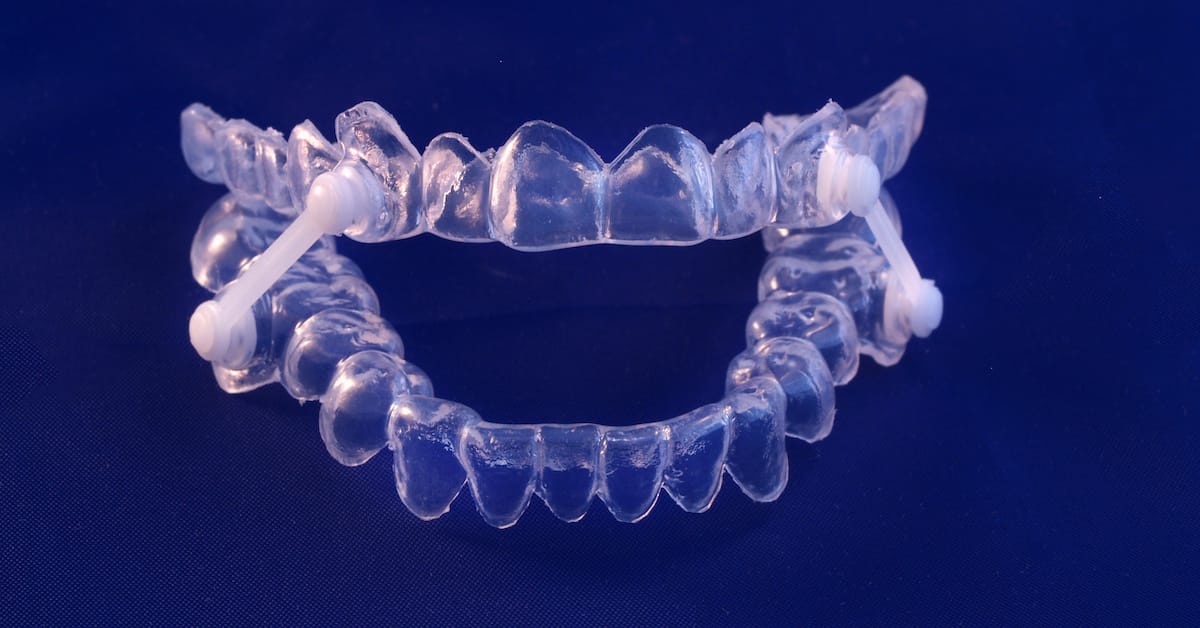
Oral appliance therapy is another option for treating sleep apnea. It utilizes a custom fitted device that resembles a mouthguard. This device is worn whenever you sleep and assists in keeping your airways unobstructed. These devices are more portable than CPAP machines.

Receive Proper Treatment for Your Sleep Apnea

If you believe that you have sleep apnea, don’t waste time. Get in touch with our office to book a consultation today.

Recent articles

Learning About Oral Cancer Learning About Oral Cancer
Celebrate Dental Hygiene Month Celebrate Dental Hygiene Month
National Gum Care Month: What You Need to Know National Gum Care Month: What You Need to Know

Book your appointment today.

88 Ryders Lane, Stratford, CT 06614
Call our office at (203) 742-1027.
Book appointment
Lighthouse Dental Care Logo
  • Braces
  • Caring For Your Teeth
  • Children's Dental Care
  • Cosmetic Dentistry Services
  • Dental Exams & Teeth Cleaning
  • Dental Implant Services
  • Dental Sealants
  • Emergency Dentist
  • Fillings, Crowns & Bridges
  • Fluoride & Decay Prevention
  • Full Dentures & Partial Dentures
  • General Dentistry Services
  • Gum Reshaping
  • Gum Treatment
  • Implant-Supported Dentures
  • Intraoral Camera and Digital X-Rays
  • Invisalign®
  • Mouth Guards
  • Night Guards
  • Porcelain Veneers
  • Root Canal & Endodontics
  • Scaling and Root Planing
  • Six Month Smiles®
  • Sleep Apnea Treatment
  • Teeth Whitening
  • Tooth Extractions
  • Find a dentist near you
  • Privacy policy
  • Notice of Privacy Practices
  • Site map

© 2026 Lighthouse Dental Care. All rights reserved. The above-listed practice complies with applicable Federal civil rights laws and does not discriminate on the basis of race, color, national origin, age, disability, or sex. Notice of non‑discrimination.

(203) 742-1025